The Interplay Between Regulatory Updates and Feature Development in Portable Platforms for Equine Events and Court Sports
Yara Brooks · Sep 8, 2026

The Interplay Between Regulatory Updates and Feature Development in Portable Platforms for Equine Events and Court Sports
Regulatory frameworks shape how developers build and refine mobile applications used for equine competitions and court sports such as tennis and basketball, with updates often driving specific feature additions or modifications. Data from industry reports show that changes in compliance requirements around user verification, data handling, and transaction security have led teams to integrate new tools into apps that manage event registrations, live scoring, and participant tracking.
Regulatory Shifts Across Regions
European data protection rules have prompted platforms to embed enhanced consent mechanisms and encryption standards, while Australian digital services guidelines have pushed for clearer disclosure of location-based services in event apps. Observers note that these requirements connect directly to feature roadmaps because developers must balance functionality with compliance deadlines that arrive in waves rather than isolated patches. In September 2026 several North American jurisdictions plan to align mobile payment verification standards for sports platforms, a move that will require updates to how apps process entries for equestrian shows and court tournament brackets.
Impact on Equine Event Applications
Equine events rely on portable systems for timing, veterinary checks, and rider profiles, so regulatory attention to animal welfare data and cross-border information transfer has increased. Studies from agricultural technology research groups indicate that platforms now incorporate audit logs and restricted access tiers to meet traceability demands, features that emerged after updates to international federation protocols. Teams building these apps often find that a single rule change about health record sharing forces redesigns of the dashboard layout and notification flows used by event organizers.
Adaptations in Court Sports Platforms
Court sports applications handle real-time scoring, video replays, and fan engagement modules, areas where advertising disclosure rules and content moderation standards have tightened. Research from university sports management programs reveals that developers responded by adding toggle controls for personalized feeds and automated flags for live streams, adjustments that align with evolving regional media guidelines. Those who track platform releases observe that updates to privacy settings frequently coincide with tournament seasons, allowing teams to test new compliance layers during high-traffic periods without disrupting core scoring functions.
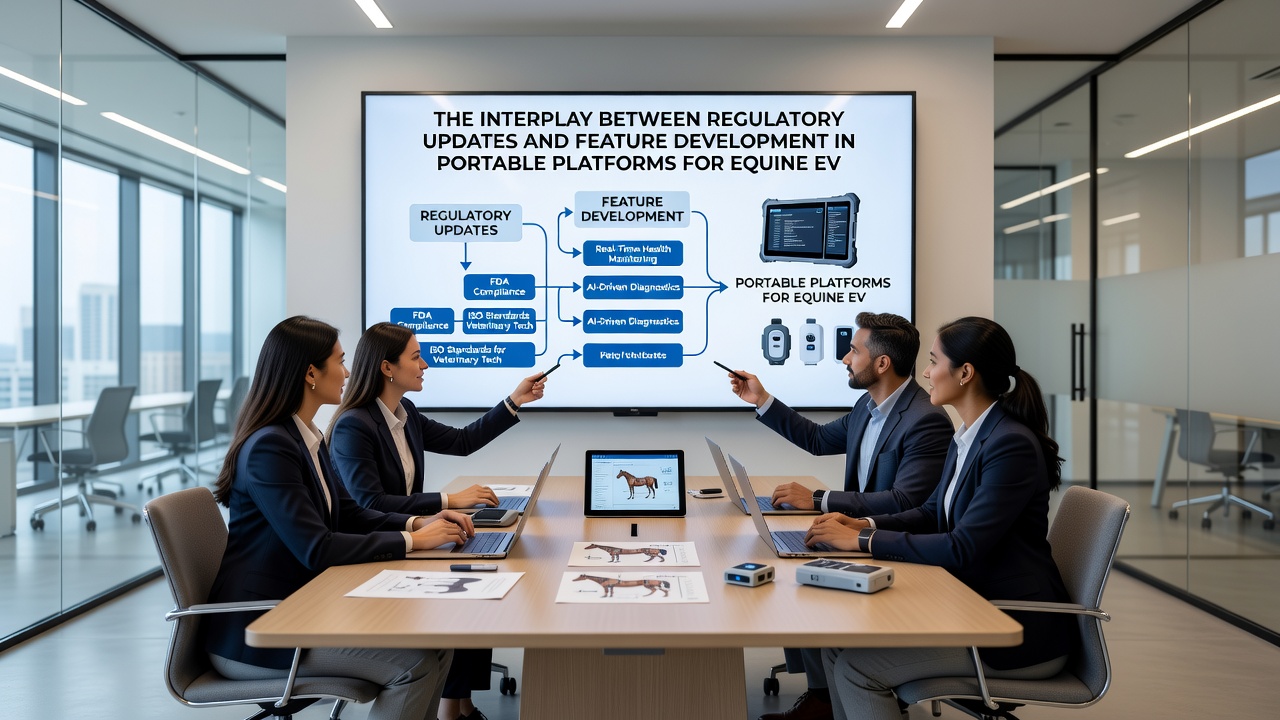
What's interesting is how these regulatory triggers create feedback loops. A requirement for clearer age gating in one jurisdiction can lead to reusable code modules that later support similar needs elsewhere, reducing duplication across equine and court sports projects. Industry associations report that collaborative working groups now share anonymized compliance data to anticipate feature needs before formal rules take effect.
Technical Integration Patterns
Developers use modular architecture to insert regulatory features such as audit trails or geofencing without overhauling entire codebases. Figures from software engineering case studies show that this approach shortens deployment windows when new rules appear, particularly for apps handling both horse show entries and tennis match scheduling. And because portable platforms operate across multiple operating systems, teams must verify that each compliance layer performs consistently on different device types and network conditions.
Future Alignment Considerations
With September 2026 deadlines approaching in several markets, platform providers are mapping regulatory calendars against planned feature releases to avoid last-minute scrambles. Academic papers on digital governance highlight that early coordination between legal teams and engineering groups correlates with smoother rollouts of updates like enhanced identity verification or dynamic consent screens. Data indicates that organizations maintaining cross-functional review cycles experience fewer delays when rules expand to cover emerging technologies such as wearable integration for athlete monitoring.
Conclusion
The relationship between regulatory updates and feature development in these portable platforms continues to evolve through structured responses to compliance needs. Evidence from multiple regions demonstrates that timely adaptation relies on flexible code practices, shared industry knowledge, and coordinated planning around known deadlines. As equine events and court sports maintain their reliance on mobile tools, the patterns of interaction between rules and technical capabilities remain central to how these applications function.